
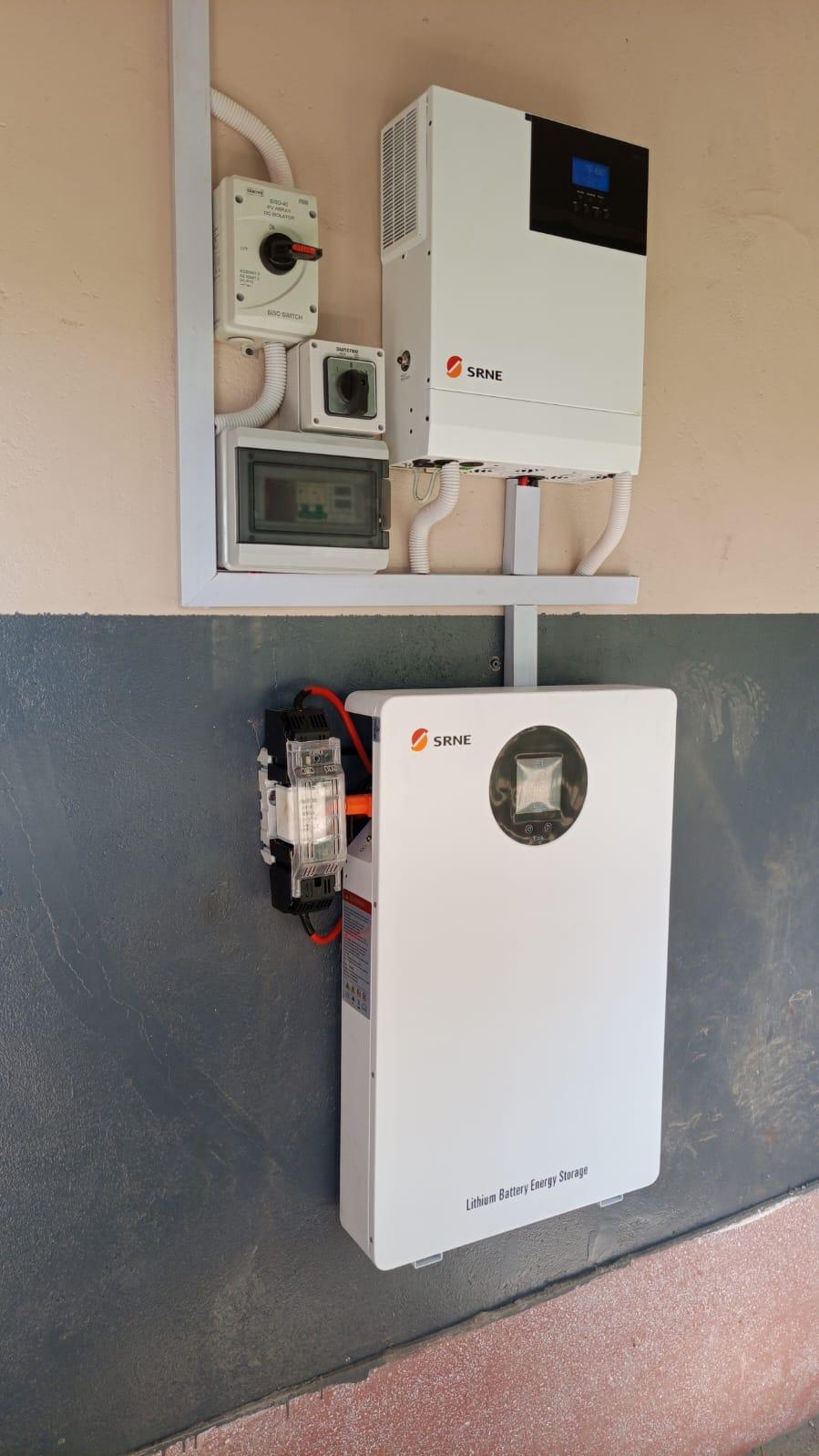
Solar PV Setup - Understand Your Options
Victor Gadamba
Author
Understanding Solar System Sizing
Choosing the right solar setup isn’t just about picking components—it’s about matching their kW (power) and kWh (energy storage) ratings so everything works efficiently together. A well-balanced system ensures your panels generate enough power, your inverter can handle the load, and your batteries store the right amount of energy without being over- or under-sized.
Calculate Your Energy Needs
Start by calculating your daily energy use in kWh. For example, if your home consumes 10 kWh per day, your system should generate slightly more (around 12–14 kWh) to account for losses. Then consider peak demand—if multiple appliances run at once and draw 3 kW, your inverter must be rated above that (e.g., 3.5–5 kW) to handle the load safely.
Solar Panel Sizing (kW Output)
- A 1 kW solar array typically produces 4–5 kWh per day (depending on sunlight)
- For a 10 kWh daily need → a 2.5–3 kW panel system is a good starting point
- Combine panel wattages (e.g., 400W panels × 8 = 3.2 kW system)
- Oversizing panels slightly helps compensate for cloudy days and system losses
Inverter Sizing (kW Capacity)
- 3 kW inverter → suitable for small homes with light appliances
- 5 kW inverter → common for medium households (fridge, TV, lighting, small appliances)
- 8–10 kW inverter → larger homes or small businesses
- Panel array can slightly exceed inverter size (e.g., 6 kW panels on a 5 kW inverter) for better energy harvest
Battery Sizing (kWh Storage)
- 5 kWh battery → basic backup (lights, Wi-Fi, small devices)
- 10 kWh battery → typical household evening usage
- 15–20 kWh → full-day backup or off-grid living
- Always consider usable capacity (e.g., 10 kWh battery may provide ~8–9 kWh usable depending on type)
Matching Batteries with Inverters
- A 5 kW inverter pairs well with ~10–15 kWh battery storage
- Ensure battery discharge rate (kW) can support your load (e.g., a 10 kWh battery delivering 5 kW output)
- Lithium batteries allow deeper discharge and higher efficiency compared to lead-acid
- For off-grid systems, battery capacity should cover 1–2 days of energy use
Best System Combinations
- Small home: 2–3 kW panels + 3 kW inverter + 5–10 kWh battery
- Medium home: 4–6 kW panels + 5 kW inverter + 10–15 kWh battery
- Large home: 8–10 kW panels + 8–10 kW inverter + 15–25 kWh battery
- Grid-tied only: match panel kW to inverter kW, no battery needed
Final Thoughts
A properly sized system aligns generation (kW), consumption (kW), and storage (kWh). When these are balanced, you avoid energy shortages, reduce waste, and extend the lifespan of your equipment—ultimately getting the best value from your solar investment.
Related Articles
More from this category


Comments (0)
No comments yet. Be the first!
Leave a comment