
WHY YOU SHOULD KNOW YOUR SOLAR POWER LOAD
Victor Gadamba
Author
Load Assessment
Start with a clear load estimate to size the system correctly. Oneclin Solar Technologies LTD begins by listing appliances, their wattage, and daily usage hours. For example, lights, refrigerators, and computers are totaled into daily energy demand in kilowatt-hours, ensuring the system matches actual consumption without guesswork or unnecessary oversizing.
Solar Panel Sizing
Next, translate daily energy needs into solar panel capacity. If a home uses about 10 kWh daily and receives an average of five peak sun hours, the system may require roughly 2–2.5 kW of panels after accounting for losses. This ensures sufficient generation during the day while leaving a margin for inefficiencies and seasonal sunlight variation.
- Daily load: ~10 kWh
- Peak sun hours: ~5 hours
- Estimated system size: 10 ÷ 5 = 2 kW
- Add losses (~20%): ≈ 2.4–2.5 kW system
Battery Storage Planning
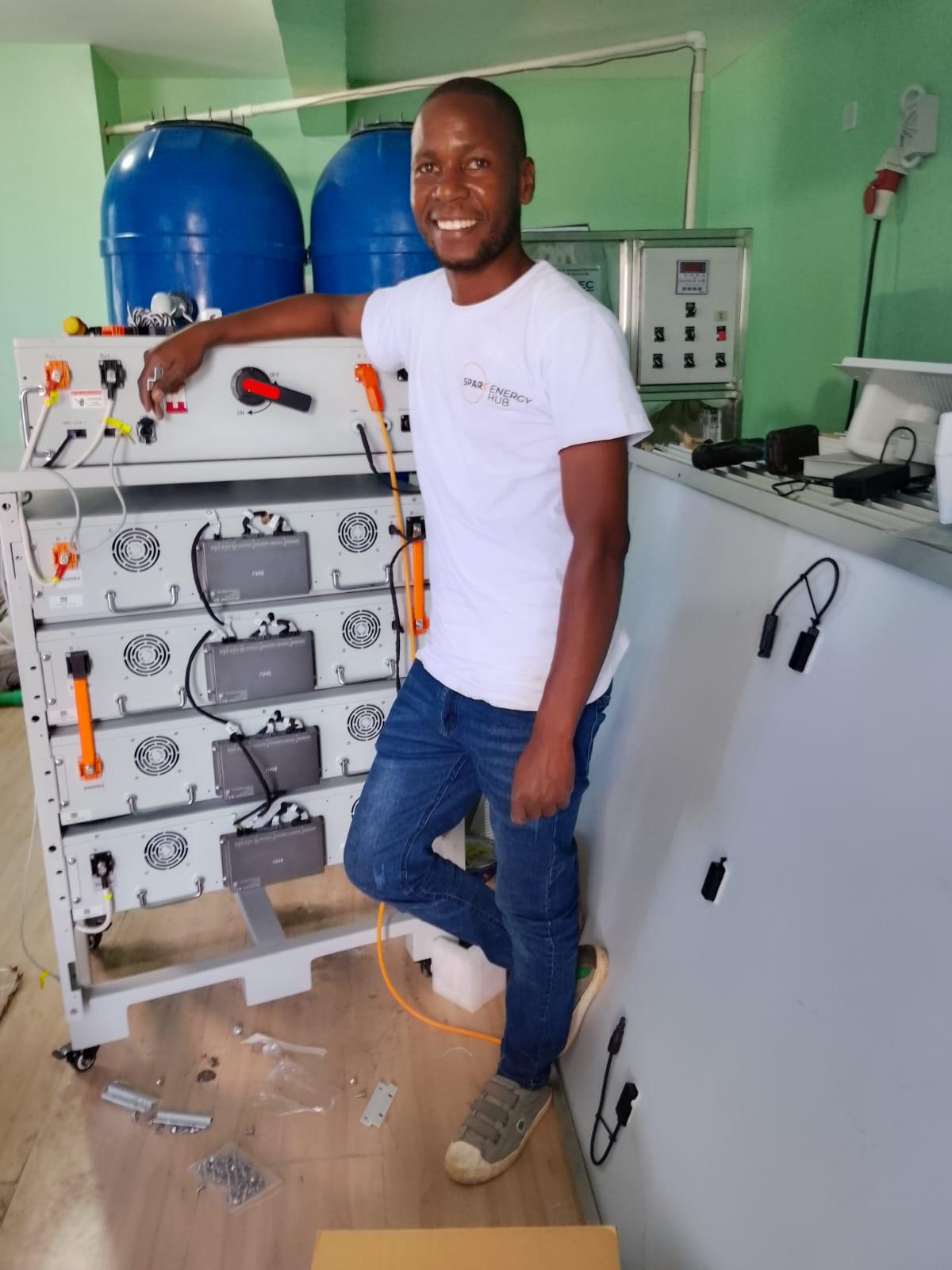
Then account for battery storage to maintain supply at night or during outages. If nighttime usage is around 4 kWh, a battery bank slightly above this value is recommended to avoid deep discharge. This helps extend battery lifespan while ensuring critical loads like lighting, refrigeration, and internet remain powered consistently.
Inverter Selection
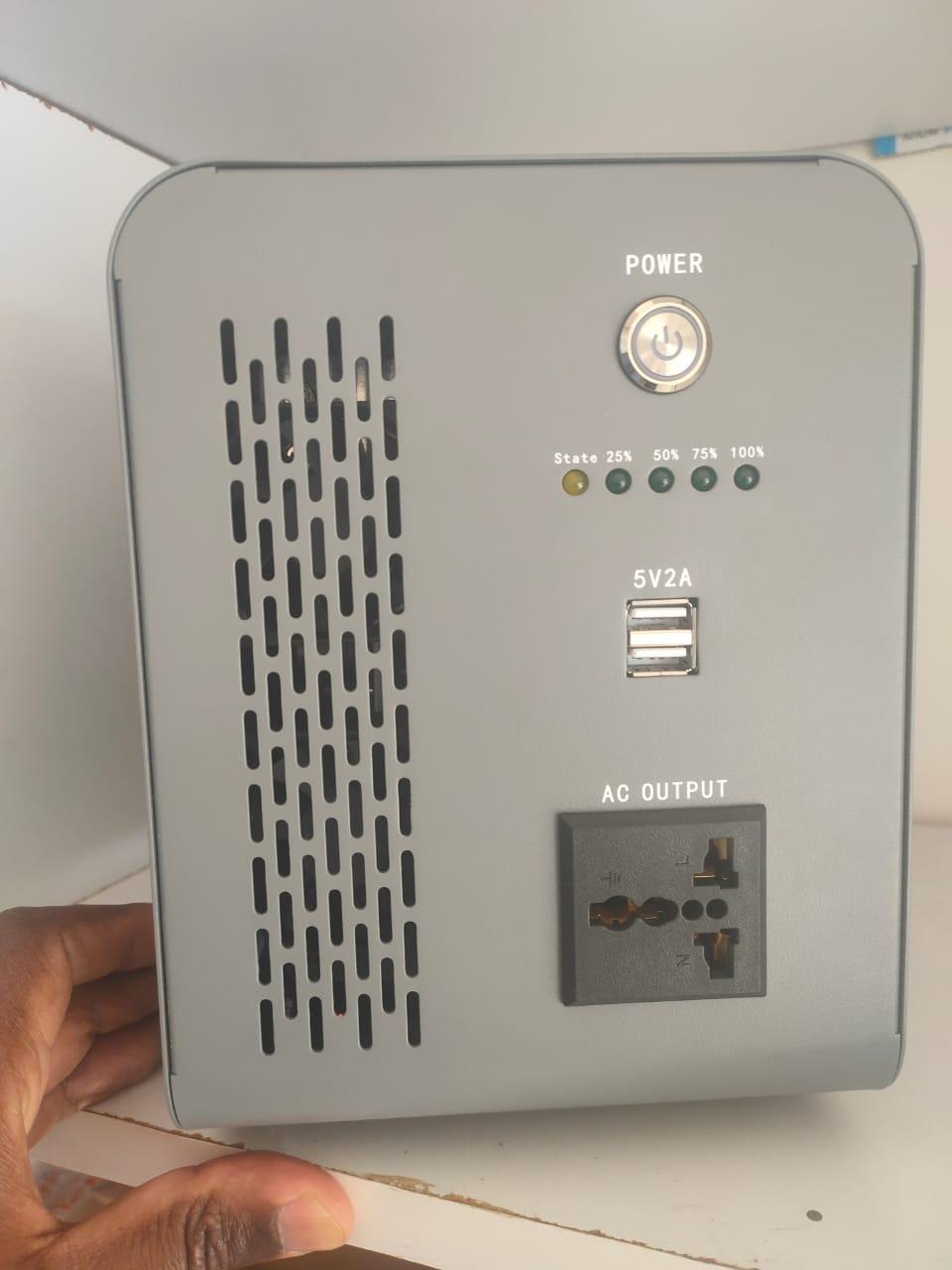
Also consider inverter sizing based on peak load rather than total daily consumption. If multiple appliances run simultaneously, the inverter must handle that maximum demand, then match it to available inverter options. Proper sizing prevents overloads and ensures smooth operation without system shutdowns during high-demand periods.
- Peak load example: ~1.6–2 kW → choose 3.3 kW inverter
- Medium load: ~3–4 kW → choose 5 kW inverter
- Large home/small business: ~6–8 kW → choose 10 kW inverter
- Commercial setups: 12 kVA, 16 kVA, 20 kW, 24 kW, 30 kW, 48 kW, 50 kW, 100 kW, 250 kW
Scalability and Efficiency
Finally, factor in future expansion and efficiency improvements. Adding new appliances or increasing business operations will raise energy needs over time. Planning for scalability, along with adopting energy-efficient devices, keeps the system adaptable and cost-effective, ensuring long-term reliability without frequent redesign or replacement.
Related Articles
More from this category


Comments (0)
No comments yet. Be the first!
Leave a comment