
A Deeper Understanding of Solar Inverters
Victor Gadamba
Author
1. Advanced Overview of Solar Inverters
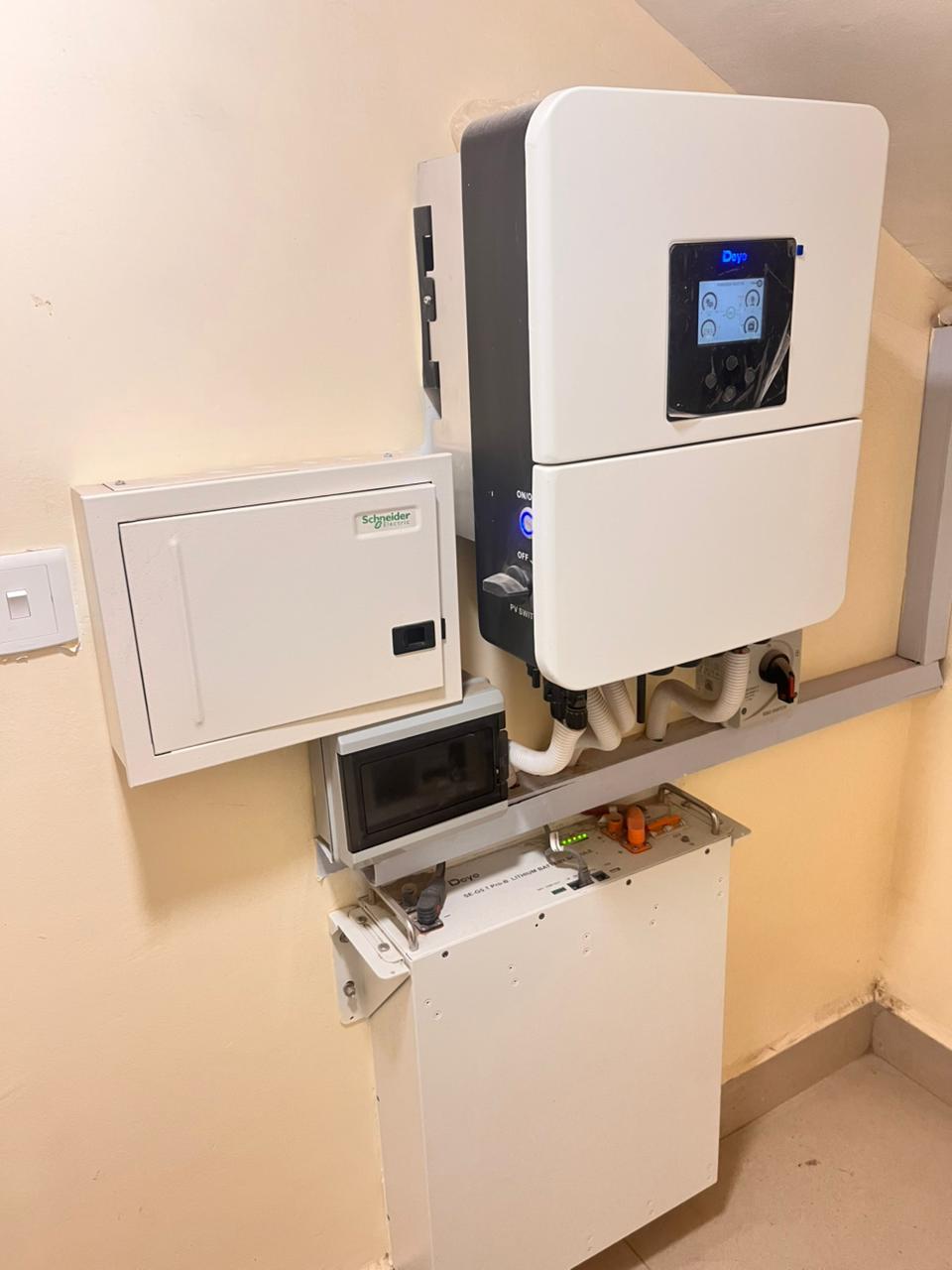
Solar inverters are no longer simple DC-to-AC converters; they are intelligent energy management systems. The best inverter today integrates control, monitoring, and grid interaction. It ensures optimal energy flow between solar panels, batteries, and loads, making it a critical component in modern renewable energy systems.
2. Maximum Power Point Tracking (MPPT)
A key feature in any best inverter is Maximum Power Point Tracking (MPPT). This technology continuously adjusts the electrical operating point of solar panels to extract maximum power. MPPT improves efficiency under changing sunlight conditions, ensuring that the system delivers the highest possible energy output throughout the day.
3. Grid-Tied vs Off-Grid Systems
Inverter design depends heavily on system type. Grid-tied inverters synchronize with the utility grid, while off-grid inverters operate independently. The best inverter for each setup differs: grid-tied systems prioritize efficiency and compliance, while off-grid systems focus on battery management and reliability in isolated environments.
4. Pure Sine Wave vs Modified Sine Wave
Output waveform quality is a crucial factor when selecting the best inverter. Pure sine wave inverters produce electricity similar to the utility grid, making them ideal for sensitive electronics. Modified sine wave inverters are more affordable but may cause inefficiencies or issues with certain devices.
5. Inverter Efficiency Ratings
Efficiency determines how much input power is successfully converted into usable output. The best inverter typically offers efficiency above 95%. Higher efficiency reduces energy loss, improves system performance, and increases long-term savings. Even small efficiency gains can significantly impact total energy production over time.
6. Thermal Management and Cooling
Heat is a major factor affecting inverter performance and lifespan. The best inverter includes advanced cooling systems such as heat sinks or active fans. Effective thermal management prevents overheating, maintains efficiency, and extends operational life, especially in regions with high ambient temperatures.
7. Smart Grid Integration
Modern inverters support smart grid functionality, allowing communication with utility providers. The best inverter can adjust output based on grid demand, support voltage regulation, and enable features like net metering. This capability helps stabilize the grid while maximizing energy utilization.
8. Safety Mechanisms and Protection
Safety is a core function of any inverter. The best inverter includes protections against overload, short circuits, and voltage fluctuations. Advanced models also feature rapid shutdown capabilities, ensuring safety during maintenance or emergencies, and compliance with international electrical standards.
9. Role in Energy Storage Systems
In battery-based systems, the inverter manages charging and discharging cycles. The best inverter ensures efficient energy storage and retrieval, preventing battery damage and optimizing usage. This is especially important for backup power systems and homes aiming for energy independence.
10. Future Trends in Inverter Technology
The future of inverters is driven by innovation. The best inverter will increasingly incorporate artificial intelligence, predictive maintenance, and enhanced connectivity. As renewable energy adoption grows, inverters will play a larger role in decentralized power systems, smart homes, and sustainable energy ecosystems.
Related Articles
More from this category
.png)
Comments (0)
No comments yet. Be the first!
Leave a comment