
.png)
Solar Power as Applies to Kenya
Victor Gadamba
Author
Solar Power in Kenya: More Than Electricity Generation
When discussing solar energy in a growing economy such as Kenya, it is useful to move beyond the simple question of “How many solar panels do I need?”
The more important engineering question is:
What is the energy demand, when does it occur, what is its load profile, and what combination of generation, storage and power-conversion equipment can meet it reliably and economically?
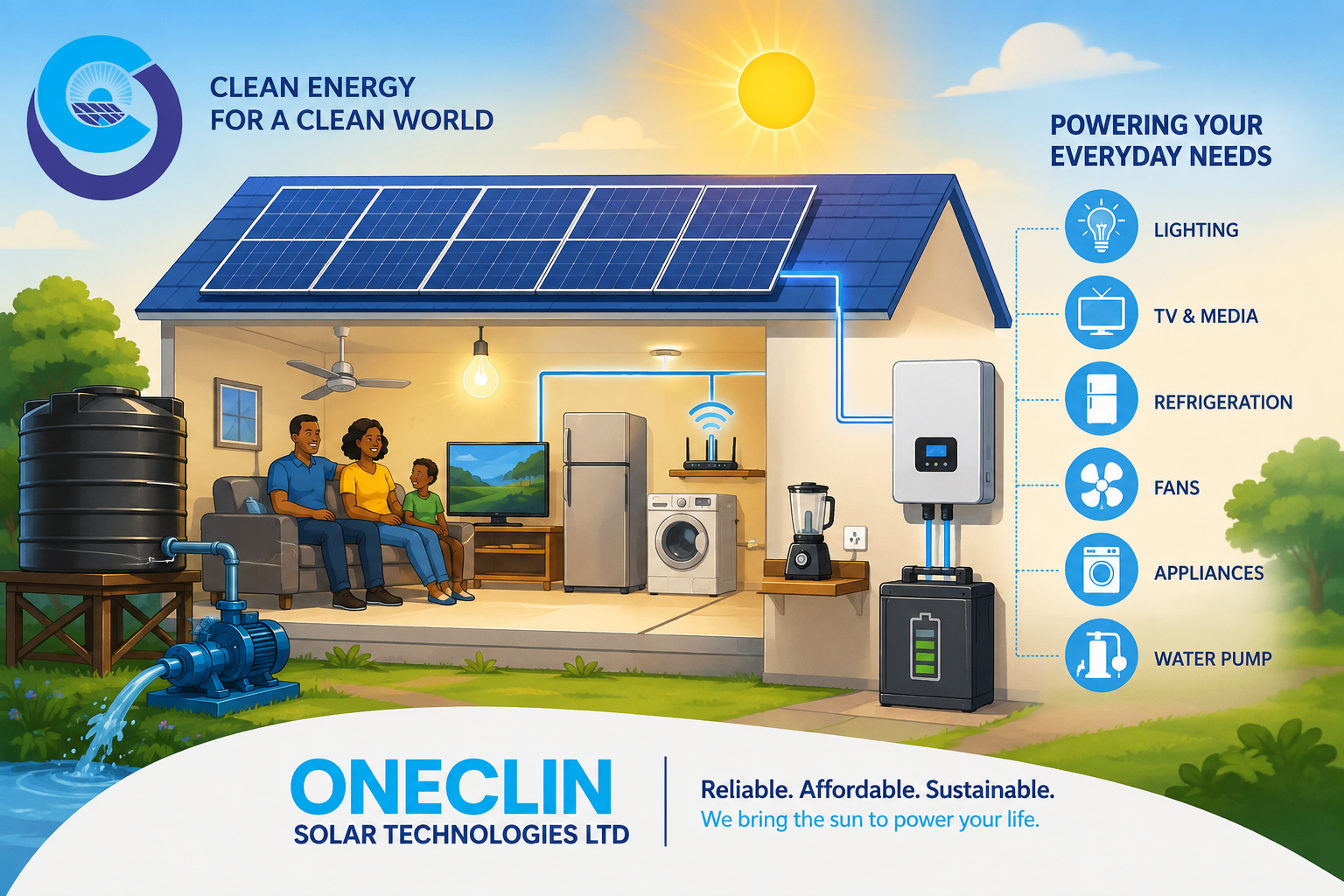
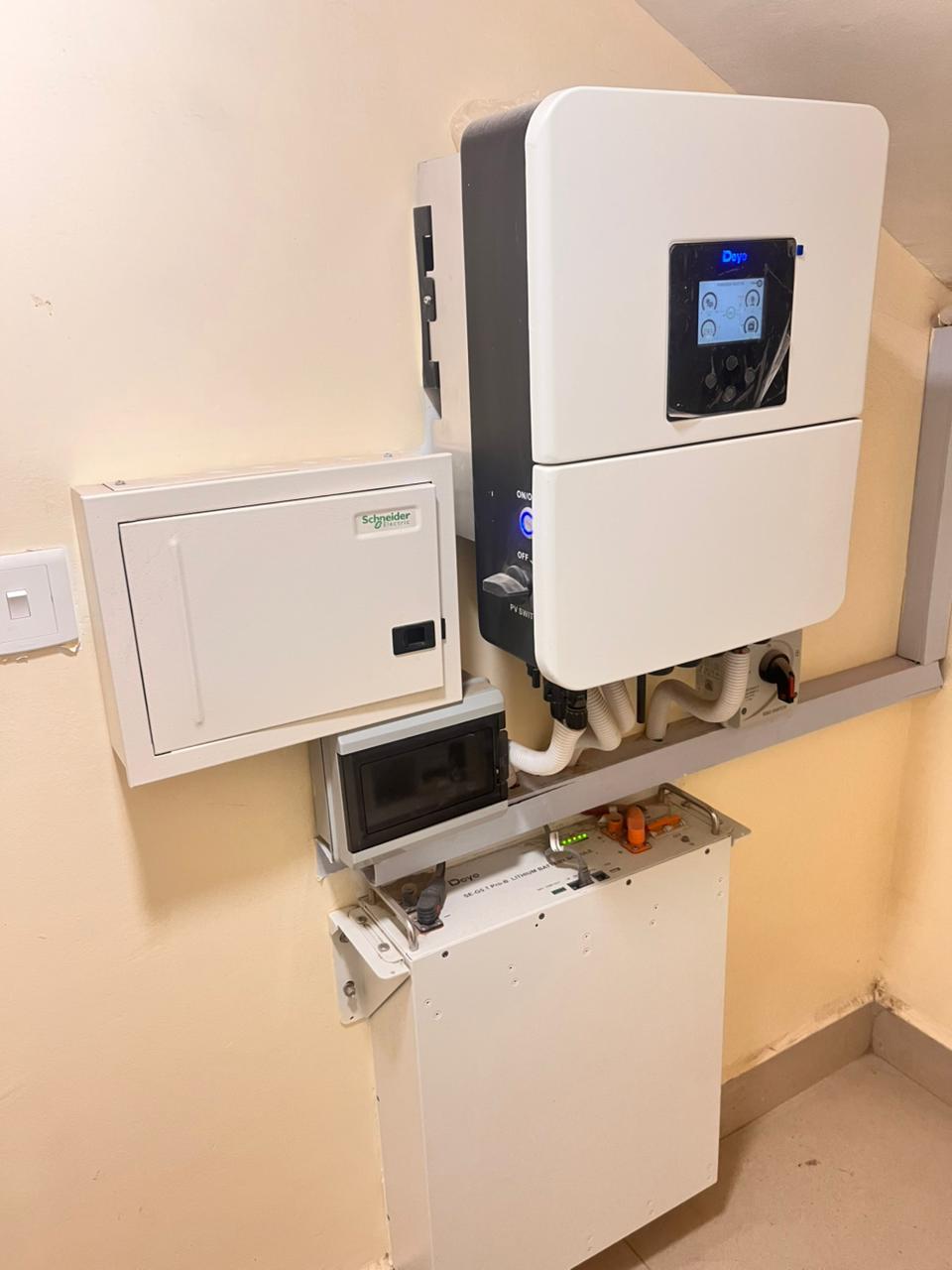
Solar PV converts solar irradiance into DC electricity through the photovoltaic effect. An inverter then converts the DC output into AC electricity suitable for conventional loads. Where energy needs extend beyond daylight hours, battery energy storage can shift part of the generated energy from periods of high solar availability to periods of demand.
This creates several technically different applications.
1. Grid-connected commercial and industrial systems
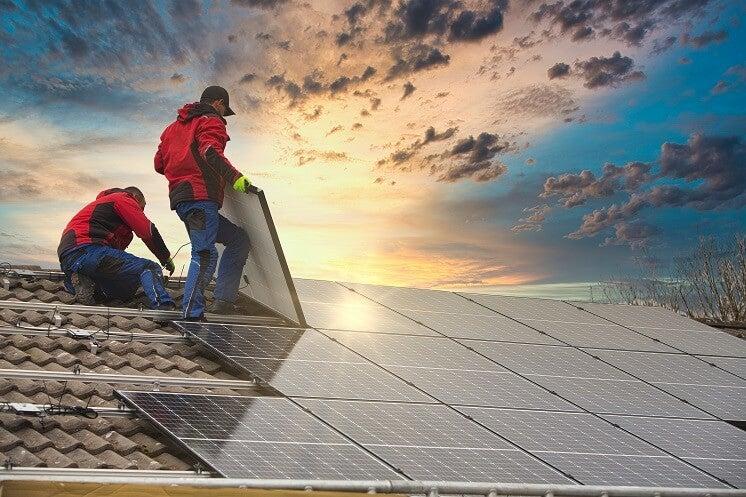
For businesses with significant daytime loads, solar PV can directly offset grid consumption. The system is particularly effective when the solar generation profile aligns with the facility's operating hours.
System design therefore requires analysis of:
- Maximum demand
- Daily and seasonal load profiles
- Solar irradiation
- Roof or ground-mount capacity
- Inverter loading ratio
- Voltage characteristics
- Protection and isolation
- Power quality
- Grid-interconnection requirements
The objective is not simply to maximize installed PV capacity, but to optimize the relationship between generation, consumption and economics.
2. Solar + Battery Energy Storage
PV generation and electricity demand do not necessarily occur at the same time.
A business may generate excess solar energy at midday while experiencing significant demand in the evening. Battery Energy Storage Systems (BESS) address this temporal mismatch.
A properly engineered system considers:
PV capacity → inverter capacity → battery capacity → battery power rating → depth of discharge → round-trip efficiency → backup loads → required autonomy.
Battery sizing is therefore fundamentally different from PV sizing.
3. Solar water pumping
Agricultural and water-supply applications present another interesting engineering case.
Instead of converting solar energy into electricity primarily for general consumption, PV can power pumps directly through an appropriate motor drive or solar pumping inverter.
The system must be designed around hydraulic requirements:
Total Dynamic Head + Required Flow Rate → Pump Power → PV Array → Motor/Drive System
This makes solar particularly useful for boreholes, irrigation schemes, livestock watering and remote water infrastructure.
4. Solar thermal applications
Not every energy requirement should be converted into electricity.
Where the primary requirement is hot water, solar thermal technology can directly capture solar energy for water heating.
This is an important distinction:
Solar PV → electricity
Solar thermal → heat
For facilities with substantial hot-water demand, using the appropriate technology can be more energy-efficient than generating electricity through PV and subsequently converting that electricity into heat.
5. Industrial energy systems
For larger facilities, solar should be evaluated as one component of an integrated energy system.
Depending on the load profile, the architecture may combine:
Grid + Solar PV + BESS + Generator + Energy Management System
The Energy Management System can determine how these sources interact according to load demand, battery state of charge, solar availability, grid conditions and operating priorities.
This is where solar moves from being a simple generation technology to becoming part of an energy-management architecture.
Why this matters for Kenya
As economic activity expands, energy demand will increasingly come from manufacturing, agriculture, water infrastructure, commercial buildings, ICT, refrigeration, logistics and residential development.
The technical opportunity is therefore not simply to install more solar panels.
It is to design fit-for-purpose energy systems that match generation characteristics with actual demand.
The future of solar in Kenya will increasingly depend on good engineering:
Load assessment → resource assessment → system modelling → component selection → protection → installation → commissioning → monitoring → maintenance → performance optimization.
Solar power is ultimately most valuable when it is treated not as a product, but as an engineered solution to a specific energy problem.
#SolarEnergy #Kenya #SolarPV #RenewableEnergy #EnergyEngineering #BatteryStorage #BESS #SolarPumping #EnergyManagement #IndustrialEnergy #SustainableDevelopment
Related Articles
More from this category
Comments (0)
No comments yet. Be the first!
Leave a comment